Understanding Colour Temperature in Residential Spaces
Why the difference between 2700K and 3000K decides how a home feels after sundown.
Of all the decisions made in a lighting scheme, colour temperature is the quietest and the most consequential. It is measured in Kelvin, printed on a specification sheet, and almost never noticed by the people who live with it. Yet it is the single variable that decides whether a room at nine in the evening feels like a refuge or a waiting room.
The convention is simple to state and difficult to master. Lower numbers are warmer. A candle sits near 1800K. A traditional incandescent bulb glows at roughly 2700K. Move up to 3000K and the light turns crisper, cleaner, a shade closer to daylight. Cross into 4000K and you have entered the territory of the office and the operating theatre.
Warmth is not nostalgia
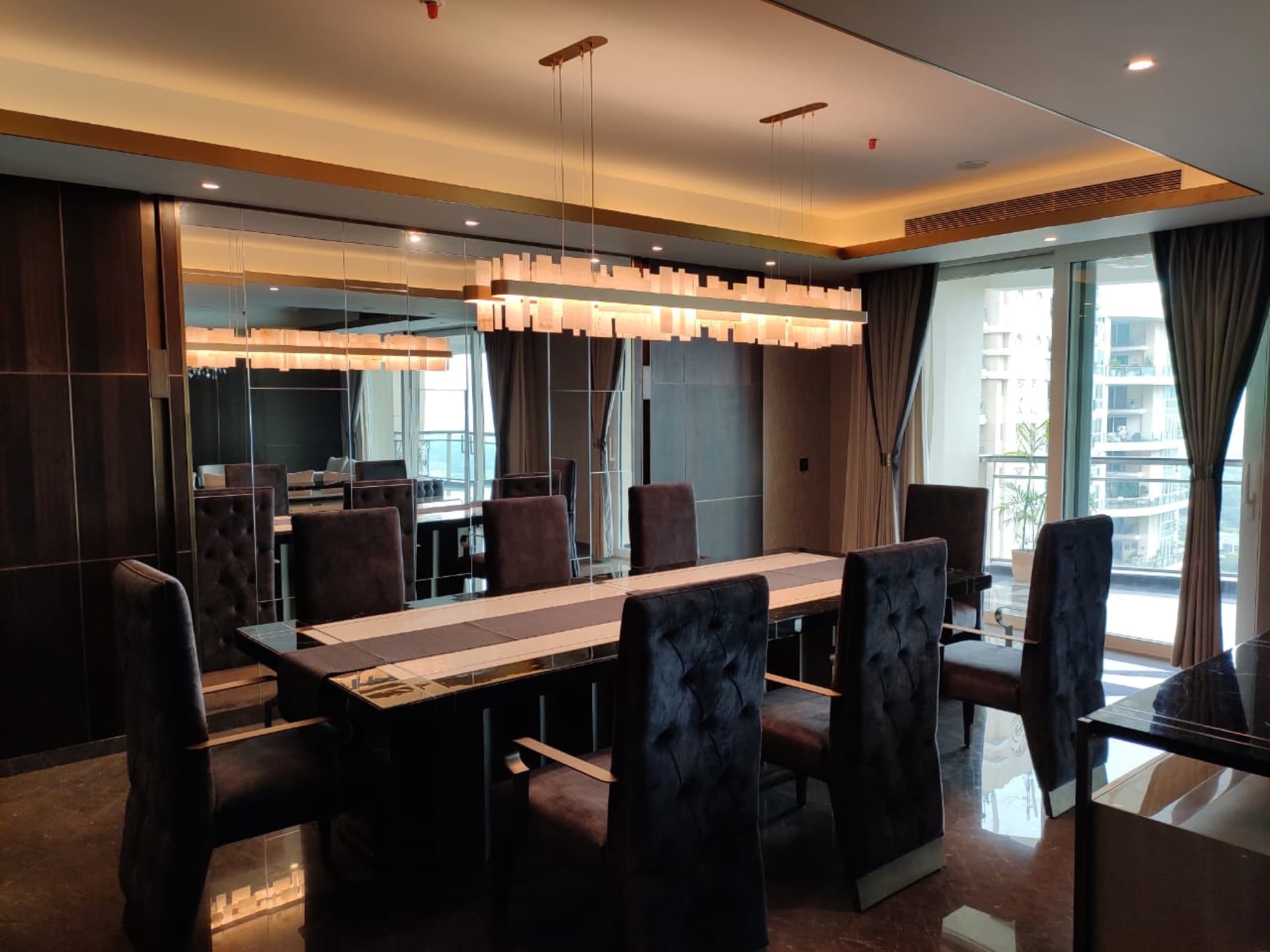
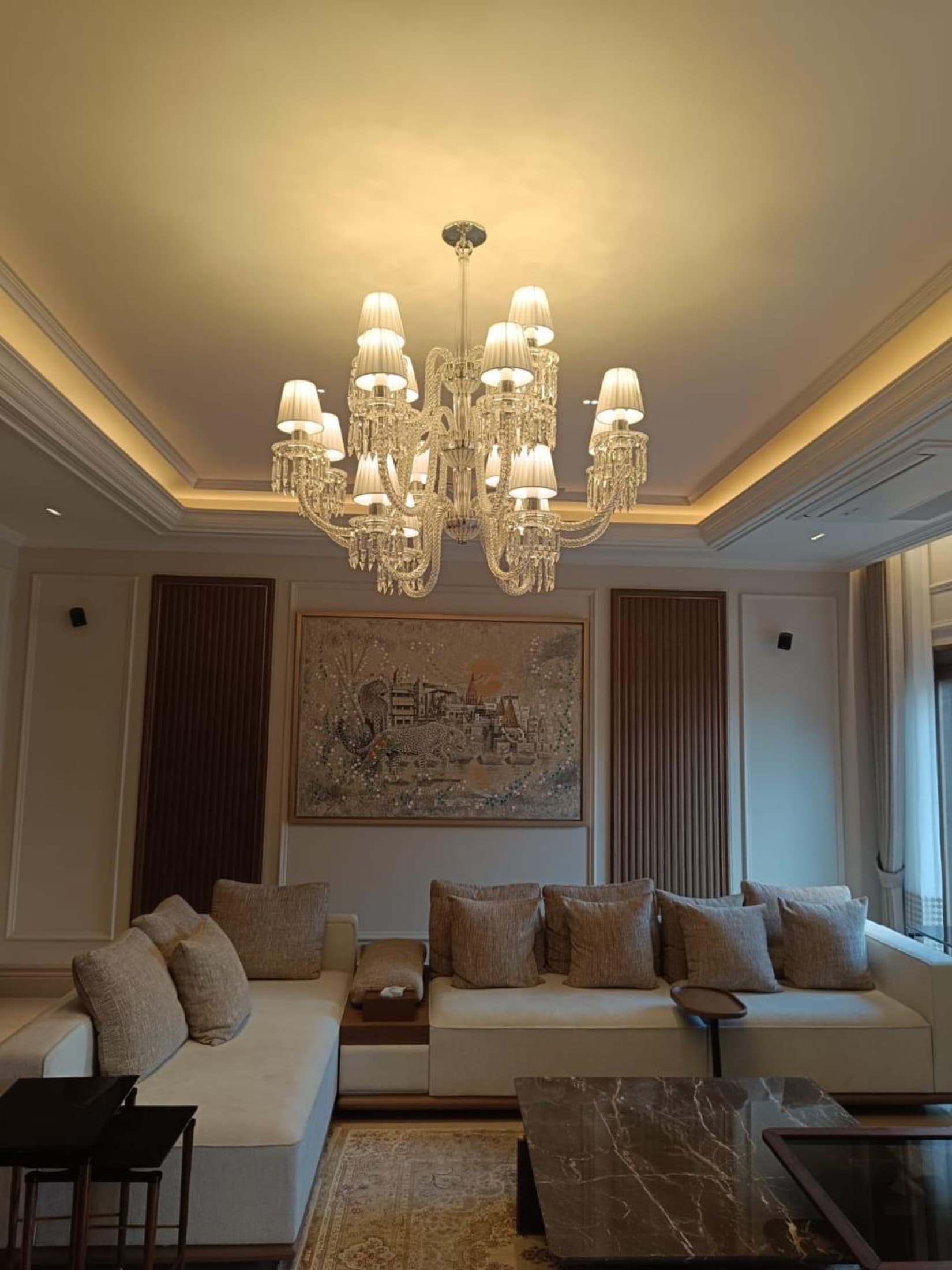
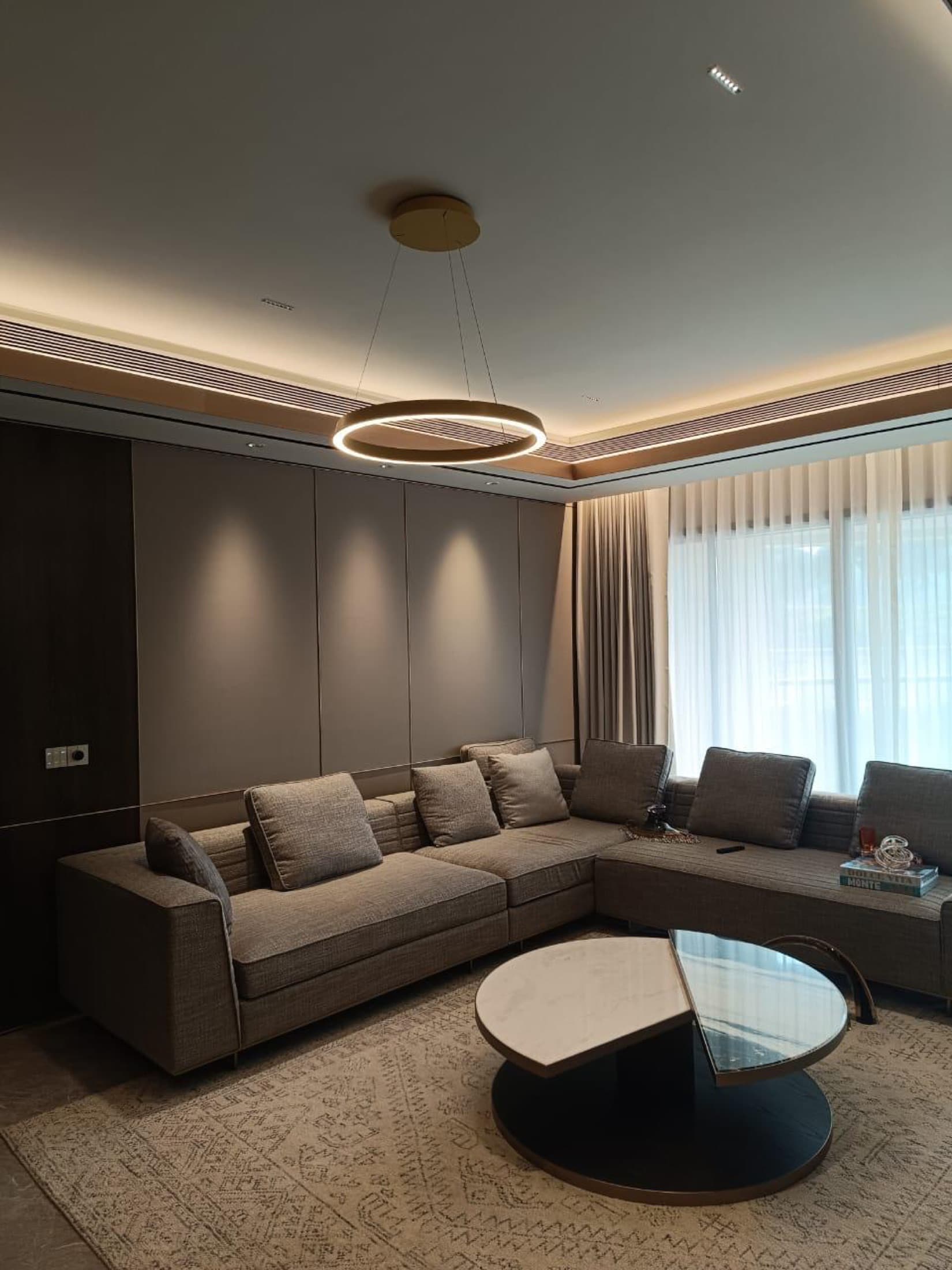
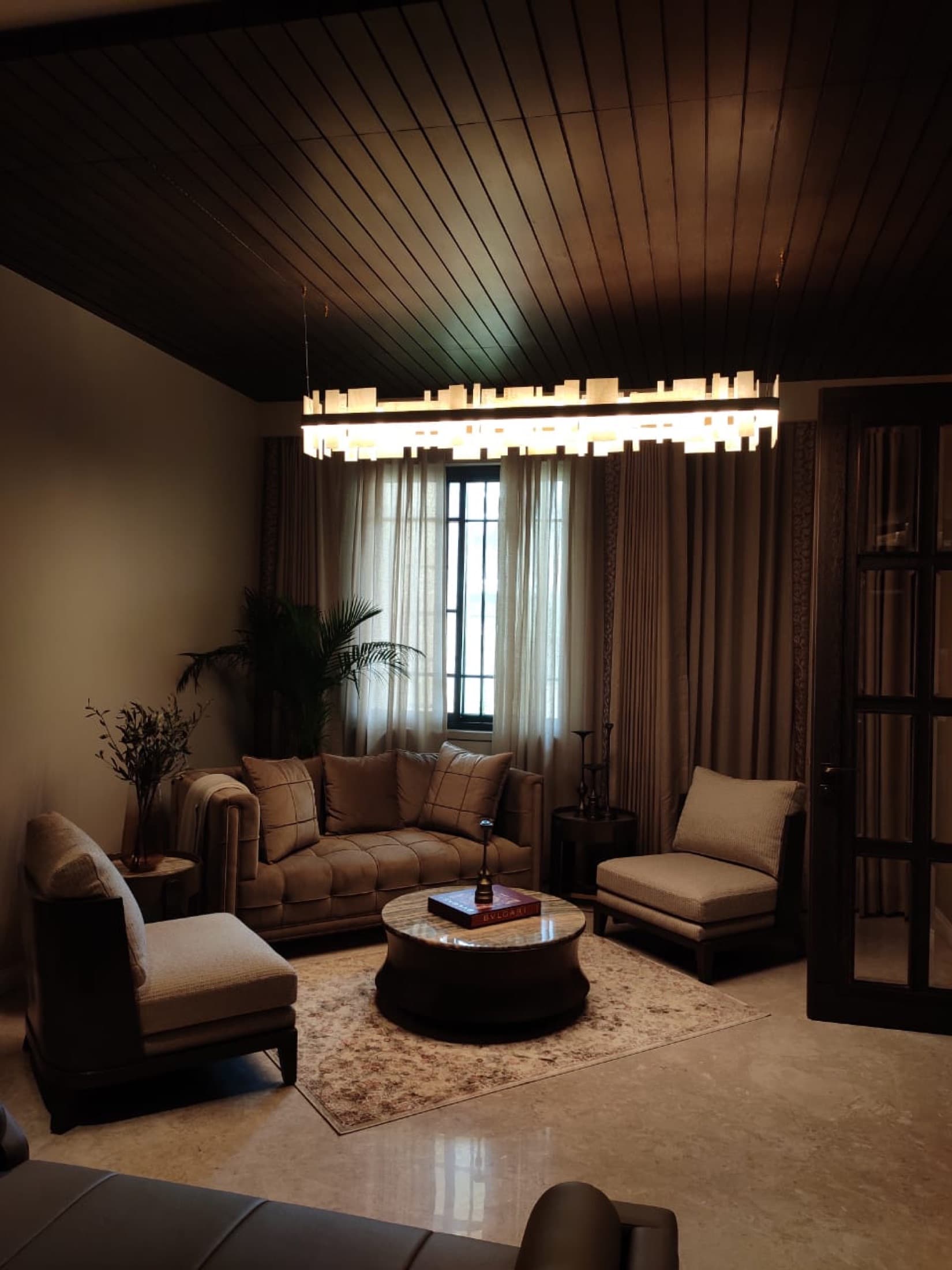
In the Indian home, where evenings are long and the day is already generous with bright, high-colour-temperature sunlight, the case for warmth after dark is strong. We tend to specify 2700K for living rooms, bedrooms and dining spaces, the rooms where people gather and slow down. The warmth is not sentiment. It is physiology. Warmer light carries less of the blue wavelength that keeps the body alert, and a room lit at 2700K simply reads as more restful.
3000K earns its place too, but with intent. In a kitchen, a bathroom, or a dressing area, where tasks demand a little more clarity and finishes like marble and steel want a cooler read, the extra crispness is welcome. The mistake is to mix the two carelessly in a single sightline. Two adjacent downlights half a step apart in temperature will look, to the trained and untrained eye alike, like a fault.
The number on the box is not the point. Consistency across a sightline is.
The tools that make it effortless
The European houses we represent have spent years solving the awkwardness of warmth and control coexisting. Warm-dim technology, found across ranges from Deltalight and others, mimics the incandescent curve: as you dim the fixture, its colour temperature drops, so a room does not just get darker in the evening, it gets warmer, exactly as a fire or a setting sun would. Tunable white systems go further, letting a single space shift from an alert morning to a soft night on a schedule.
None of this is visible in a photograph, which is precisely why we built a space where it can be felt. Colour temperature is the first thing we ask visitors to notice at our Experience Centre, because once you have stood in the same room at 2700K and then at 4000K, you never specify a home the same way again.